Italian Open-Air Markets

Slow Shopping Culture at Italian Weekly Markets

A reference on the structure and etiquette of traditional open-air markets across Italy — from the piazzas of Tuscany to the historic covered halls of the north. Understanding seasonal rhythms, vendor protocols, and what genuinely changes week to week.

Updated June 2026 · Florence, Italy

Latest Articles

Mercato Porta Palazzo, Turin — one of Europe's largest open-air markets

Market Structure

How Italian Weekly Markets Are Organised

The layout of a typical Italian mercato follows patterns that have changed little in two centuries — pitch allocation, municipal licensing, and the informal codes that determine where each vendor sets up.

May 2026 · 8 min read

Seasonal fruit display at Porta Palazzo fruit market, Turin

Seasonal Produce

Seasonal Produce at Open-Air Italian Markets

What appears on a market stall in February looks nothing like what fills the same trestles in August. This guide documents the month-by-month sequence of produce that defines Italy's market calendar.

May 2026 · 10 min read

Traditional vendor stall at a Sardinian weekly market in Aritzo

Handmade Goods

Finding Handmade Goods at Local Vendor Stalls

Not every stall at an Italian market sells produce. Understanding which vendors carry locally made ceramics, woven textiles, and hand-tooled leather — and how to tell them from imported factory goods — requires a different kind of attention.

April 2026 · 9 min read

The Rhythm of the Italian Market Week

In most Italian towns, the weekly market follows a fixed day — Monday in one comune, Thursday in the next. This calendar, administered by municipal offices and enforced through formal concessioni di posteggio, creates a circuit that mobile vendors travel across multiple towns each week. A fruit dealer operating in the Florentine hinterland might work Scandicci on Tuesday, Sesto Fiorentino on Wednesday, and then Florence's Piazza delle Cure on Thursday.

The consistency is practical: regulars know when to come. Long-standing customers often maintain informal agreements with specific vendors — a kilo of figs held back, a word about what arrived that morning. These relationships take time to build and follow their own etiquette that no sign explains.

Read: Market Organisation
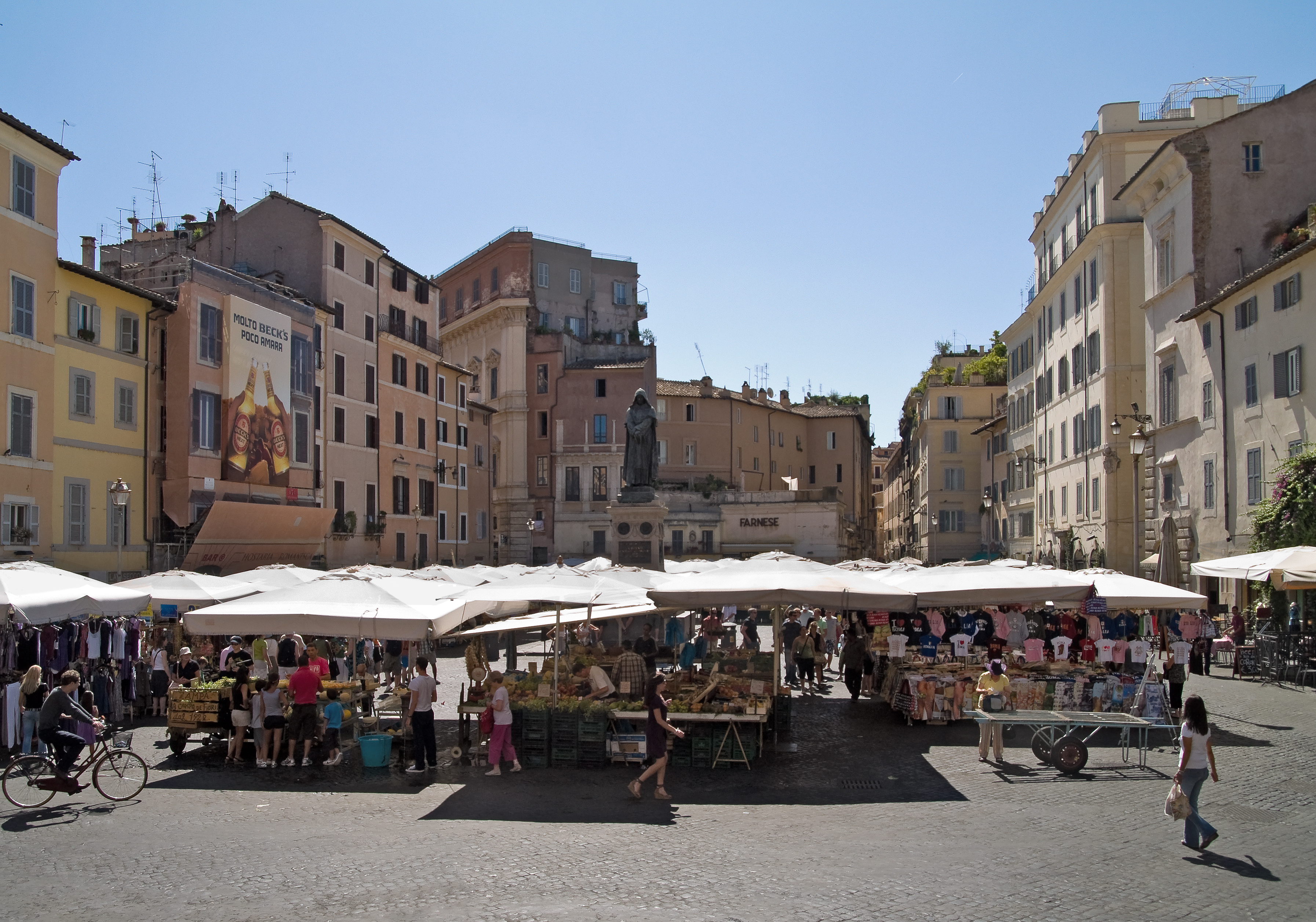
Campo dei Fiori morning market, Rome — piazza with vendor stalls and the statue of Giordano Bruno

What Makes a Market Worth Returning To

The difference between a market that sustains a community and one that exists primarily for visitors is usually visible within ten minutes. A working market has vendors who know their customers by first name, who arrive before sunrise to arrange their pitch, and whose range shifts week to week according to what is actually in season. A tourist-facing market has fixed stock, printed price cards, and nobody in a hurry to sell anything to someone who speaks Italian.

Seasonal produce guide

Three Market Types Across Italy

Ballarò market in Palermo, Sicily — narrow alleys with produce stalls

The Historic Street Market

Palermo's Ballarò, Rome's Campo de' Fiori, and Naples' Porta Nolana are street markets embedded in urban fabric rather than scheduled in piazzas. They operate daily or near-daily and carry a denser, more chaotic stock mix — fish alongside ceramics, second-hand clothing alongside fresh herbs.

Spice stall at Campo de Fiori square market, Rome

The Piazza Mercato

The standard weekly market takes over a town's main square or a designated municipal ground. Pitch numbers are assigned by the comune; vendors pay an annual fee and hold their spots year after year. This is the format found in most towns from the Veneto to Calabria.

Food vendor stall at Campo de Fiori street market, Rome

The Mercato Contadino

Farmers' markets — mercati contadini — differ from general weekly markets in that stalls are restricted to producers selling their own output. These are smaller, found most often on Saturday mornings near civic spaces, and tend to carry a narrower but traceable range: olive oil, cheese, wine, and whatever came out of the orchard that week.

Vendor Relationships and the Logic of Regular Attendance

Walking into a market as an occasional visitor produces a different transaction than returning to the same stall across several seasons. Vendors distinguish between those who appear once and those who come back. The practical benefit of recognition is access to produce that does not reach the open display — older stock sold at reduced price to someone trusted, or a tray of something unusual that arrived that morning and was not put out because there was only a little of it.

Handmade goods guide

Get in Touch

Questions about a specific market region, corrections to published content, or requests for coverage of a particular market circuit.

Contact the editorial desk

About This Reference

Gentle Market documents the structure, customs, and seasonal logic of traditional Italian open-air markets. Content is written from primary observation and draws on municipal market regulations, Coldiretti seasonal calendars, and direct vendor accounts. No advertising. No affiliate links.

About Gentle Market

Send a message